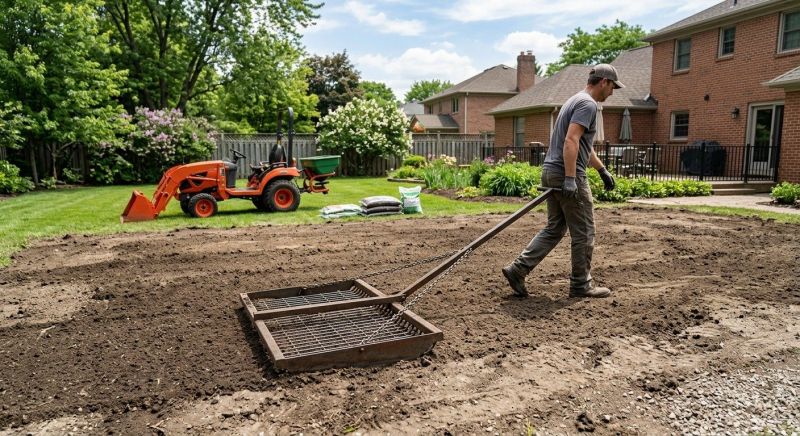
Driveway Leveling in Houston, TX
Driveway leveling services involve adjusting the surface of existing driveways to create a smooth, even slope that enhances safety and curb appeal. This process is suitable for a variety of projects, including addressing uneven or cracked concrete, asphalt, or paver driveways caused by ground settling, heavy use, or weather-related shifts. Property owners typically seek driveway leveling to prevent pooling water, reduce tripping hazards, and improve the overall appearance of their property.
Before requesting driveway leveling, property owners should consider the current condition of their driveway, including any cracks, heaving, or significant unevenness. It’s also helpful to understand the underlying cause of the problem, such as soil erosion or drainage issues, to ensure proper solutions are applied. Clear communication about the driveway’s material, size, and extent of damage can assist in determining the most effective approach for a safe and durable result.
Many property owners in Houston, TX look into Driveway Leveling for repairs, replacements, upgrades, and appearance-related improvements.
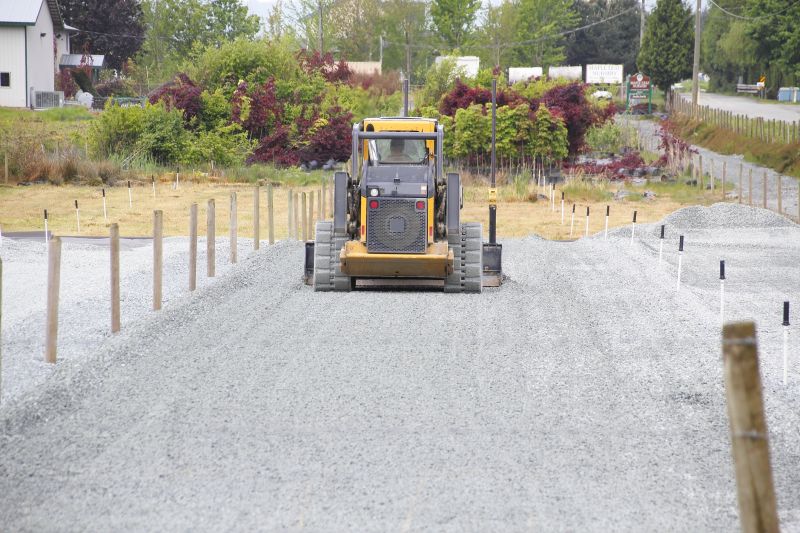
Benefits Of Driveway Leveling
Proper leveling enhances curb appeal and prevents water pooling on your driveway.
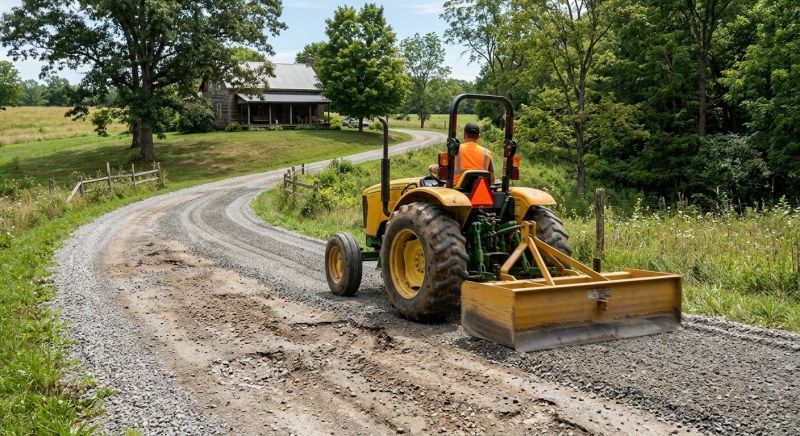
Common Causes Of Driveway Unevenness
Soil erosion, tree roots, and poor initial installation can lead to driveway settling and cracks.
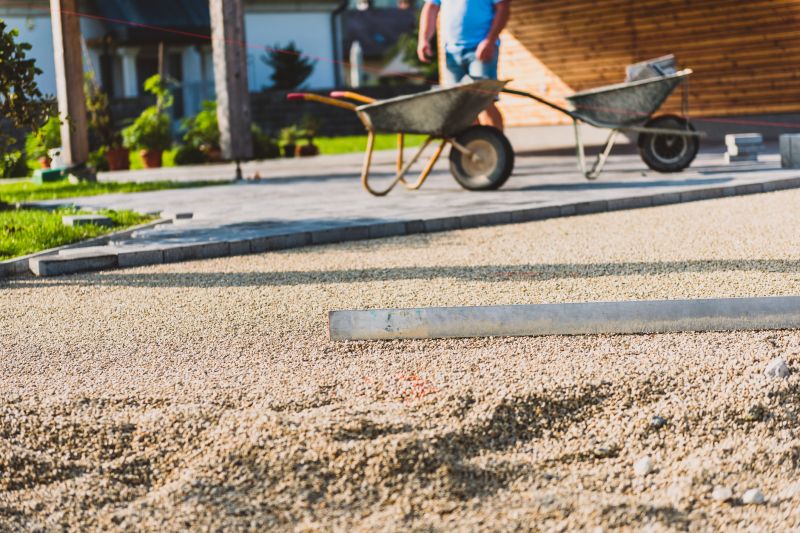
Signs Your Driveway Needs Leveling
Noticeable cracks, uneven surfaces, or water drainage issues indicate the need for driveway leveling services.
Driveway Leveling in Houston, TX

Driveway leveling services involve adjusting the surface of existing driveways to create a smooth, even slope that enhances safety and curb appeal. This process is suitable for a variety of projects, including addressing uneven or cracked concrete, asphalt, or paver driveways caused by ground settling, heavy use, or weather-related shifts. Property owners typically seek driveway leveling to prevent pooling water, reduce tripping hazards, and improve the overall appearance of their property.
Before requesting driveway leveling, property owners should consider the current condition of their driveway, including any cracks, heaving, or significant unevenness. It’s also helpful to understand the underlying cause of the problem, such as soil erosion or drainage issues, to ensure proper solutions are applied. Clear communication about the driveway’s material, size, and extent of damage can assist in determining the most effective approach for a safe and durable result.
Many property owners in Houston, TX look into Driveway Leveling for repairs, replacements, upgrades, and appearance-related improvements.
Common Driveway Leveling Jobs
Driveway leveling involves correcting uneven surfaces to improve safety and appearance.
Crack repair addresses existing damage caused by settling or shifting of the driveway.
Slope correction ensures proper drainage to prevent water pooling and erosion.
Mudjacking raises sunken sections by injecting a stable, supportive material beneath the surface.
Polyurethane foam leveling provides a quick, minimally invasive solution for uneven driveways.
Surface resurfacing restores a smooth, even finish for driveways with extensive wear or damage.
Driveway Leveling Questions
What causes driveway unevenness? Driveway unevenness often results from soil settling, erosion, or ground movement over time, leading to dips and cracks.
How does driveway leveling improve property value? Leveling restores a smooth surface, enhancing curb appeal and making the driveway safer and more functional for daily use.
What types of driveways can be leveled? Asphalt, concrete, and gravel driveways can all be leveled to correct uneven areas and improve surface stability.
Is driveway leveling suitable for large or small areas? Driveway leveling can address both small patches and extensive sections, depending on the specific needs of the property.
Request Driveway Leveling in Houston, TX
Use the quote form on this page to share the basics of your project and request more information for the type of work you need.