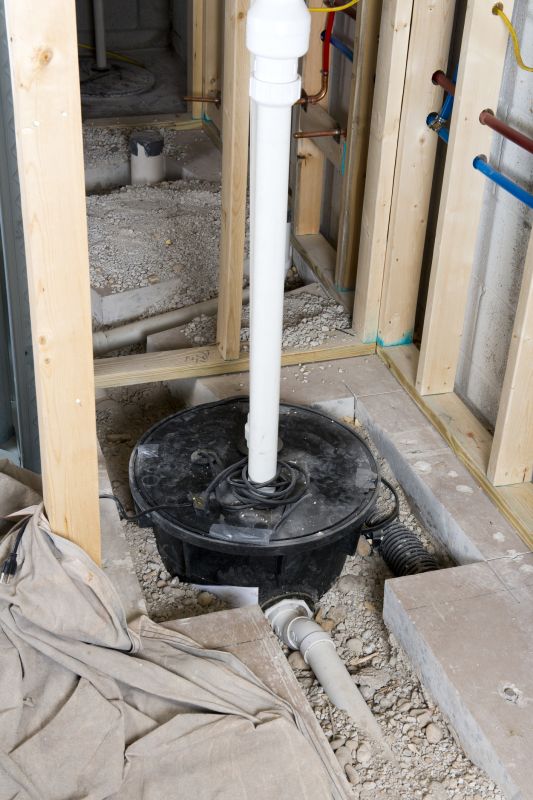
Basement Drainage Installation in Boston, MA
Basement drainage installation services involve setting up systems to effectively manage excess water around a property’s foundation, helping to prevent water intrusion and structural damage. These projects typically include installing or upgrading drainage pipes, sump pumps, and waterproof barriers to direct water away from the basement area. Homeowners often seek this service when experiencing issues like persistent basement flooding, dampness, or signs of water seepage, especially after heavy rains or snowmelt. Understanding the layout of the property, the source of water problems, and the existing drainage setup can help property owners determine the best approach for their specific needs.
Before requesting basement drainage installation, property owners should assess their current drainage conditions and identify areas prone to water accumulation. It’s important to consider the type of soil, the slope of the land, and any existing drainage features that may influence the project. Clarifying the scope of work-such as whether a complete system overhaul or minor upgrades are needed-can ensure a clear understanding of what the project entails. Proper planning and understanding of these factors can support effective installation and long-term performance of the drainage system.
Many property owners in Boston, MA look into Basement Drainage Installation for repairs, replacements, upgrades, and appearance-related improvements.
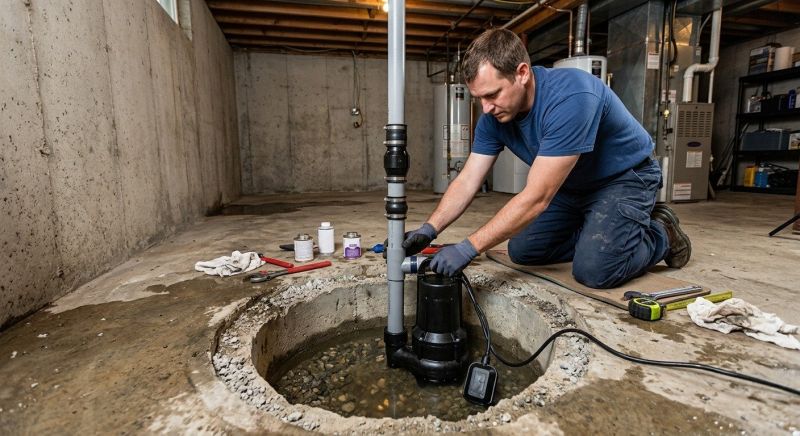
Proper Drainage Planning
Effective basement drainage systems help prevent water intrusion and protect property foundations.
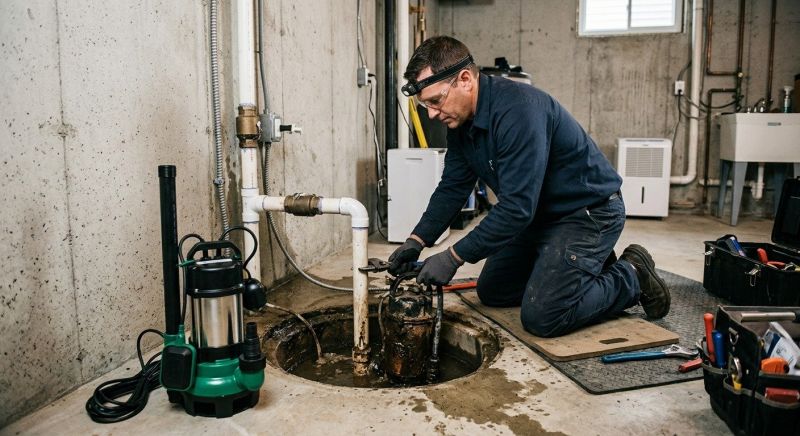
Installation Techniques
Quality installation ensures reliable water diversion away from basement walls and floors.
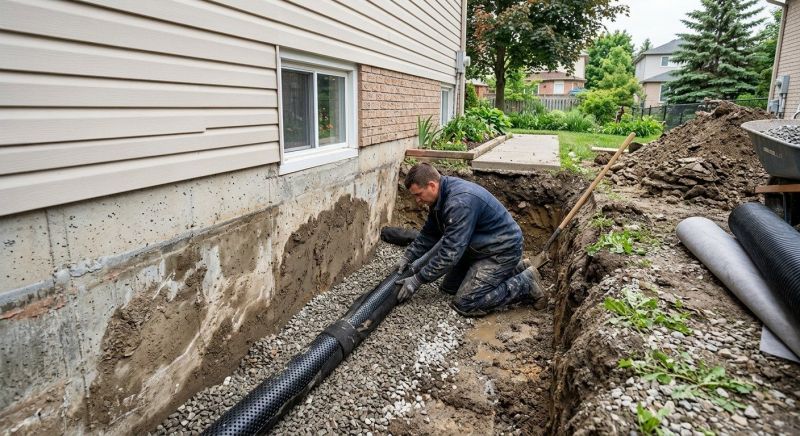
Maintenance And Upkeep
Regular inspection and maintenance of drainage systems help maintain a dry and stable basement environment in boston homes.
Basement Drainage Installation in Boston, MA

Basement drainage installation services involve setting up systems to effectively manage excess water around a property’s foundation, helping to prevent water intrusion and structural damage. These projects typically include installing or upgrading drainage pipes, sump pumps, and waterproof barriers to direct water away from the basement area. Homeowners often seek this service when experiencing issues like persistent basement flooding, dampness, or signs of water seepage, especially after heavy rains or snowmelt. Understanding the layout of the property, the source of water problems, and the existing drainage setup can help property owners determine the best approach for their specific needs.
Before requesting basement drainage installation, property owners should assess their current drainage conditions and identify areas prone to water accumulation. It’s important to consider the type of soil, the slope of the land, and any existing drainage features that may influence the project. Clarifying the scope of work-such as whether a complete system overhaul or minor upgrades are needed-can ensure a clear understanding of what the project entails. Proper planning and understanding of these factors can support effective installation and long-term performance of the drainage system.
Many property owners in Boston, MA look into Basement Drainage Installation for repairs, replacements, upgrades, and appearance-related improvements.
Common Basement Drainage Installation Jobs
Basement Drainage Systems - installations designed to redirect groundwater away from the foundation.
Interior Drainage Solutions - systems installed inside the basement to prevent flooding and manage excess water.
French Drains - trenches filled with gravel and piping to improve water flow around the property.
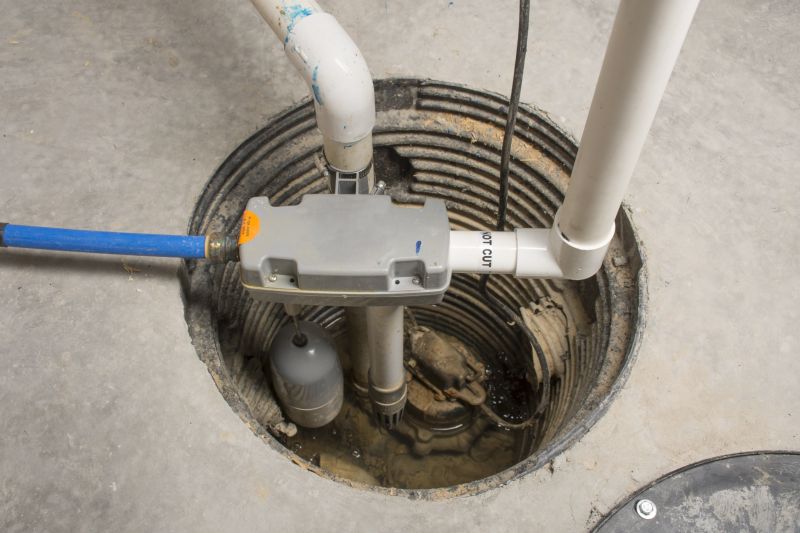
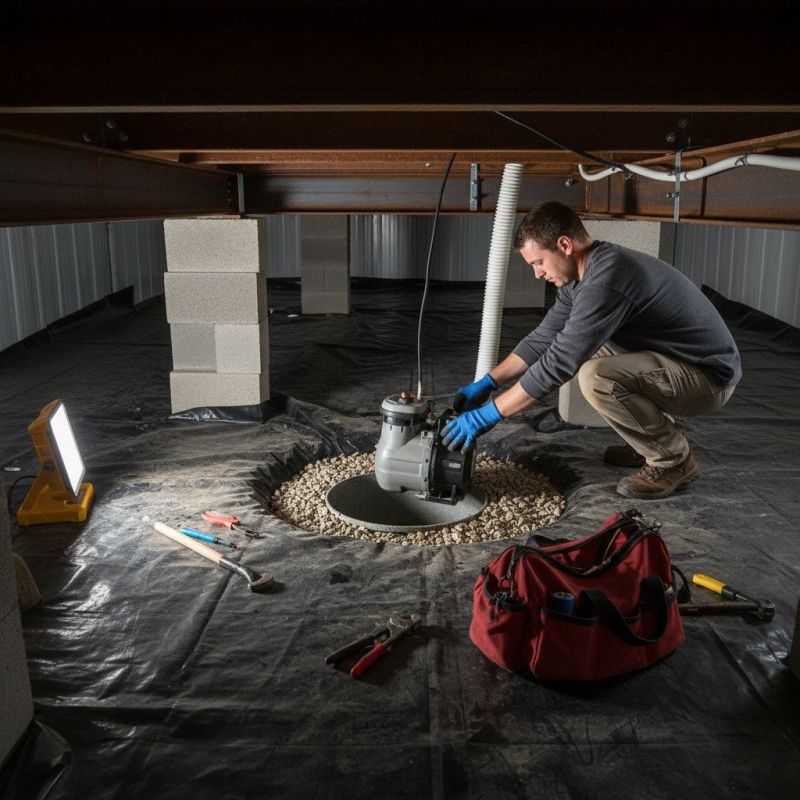
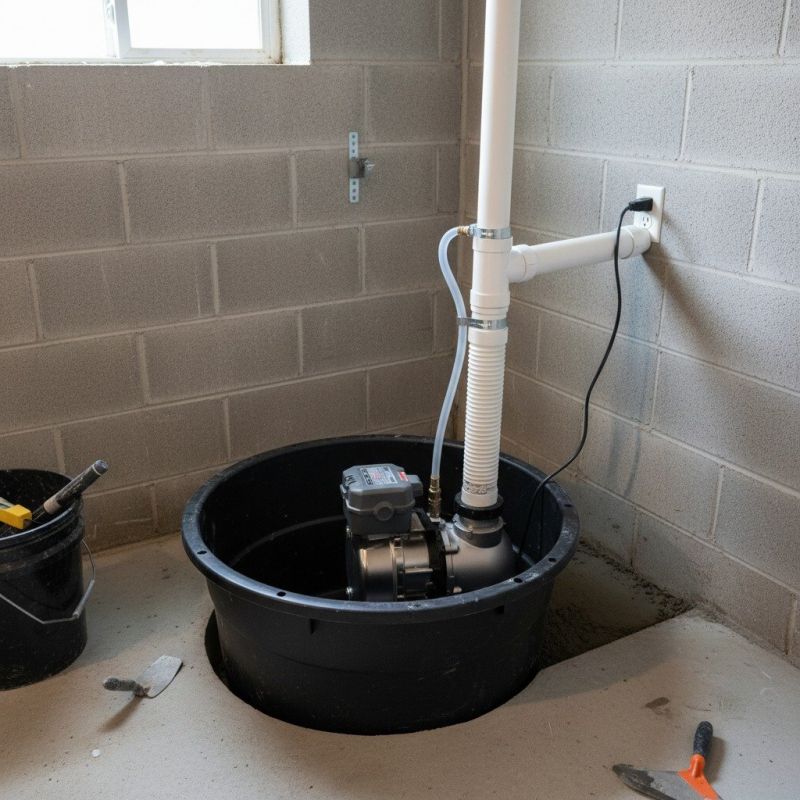
Sump Pump Installations - setups to automatically remove water from basements experiencing seepage issues.
Waterproofing Membranes - barriers applied to basement walls to prevent moisture intrusion.
Drainage Repair Services - fixing existing drainage systems to restore proper water management.
Basement Drainage Installation Questions
What is basement drainage installation? It involves installing systems to direct water away from the basement to prevent flooding and moisture buildup.
Why is basement drainage important? Proper drainage helps protect the foundation, reduce mold growth, and keep the basement dry during heavy rains.
What types of drainage systems are commonly installed? Common options include interior drain tiles, exterior waterproofing, and sump pump systems to manage water flow effectively.
When should property owners consider basement drainage installation? It is recommended when experiencing water seepage, persistent dampness, or as a preventative measure before basement finishing.
Request Basement Drainage Installation in Boston, MA
Use the quote form on this page to share the basics of your project and request more information for the type of work you need.